Meet the Pampas Cat: The Small Feline of the Patagonian Steppe
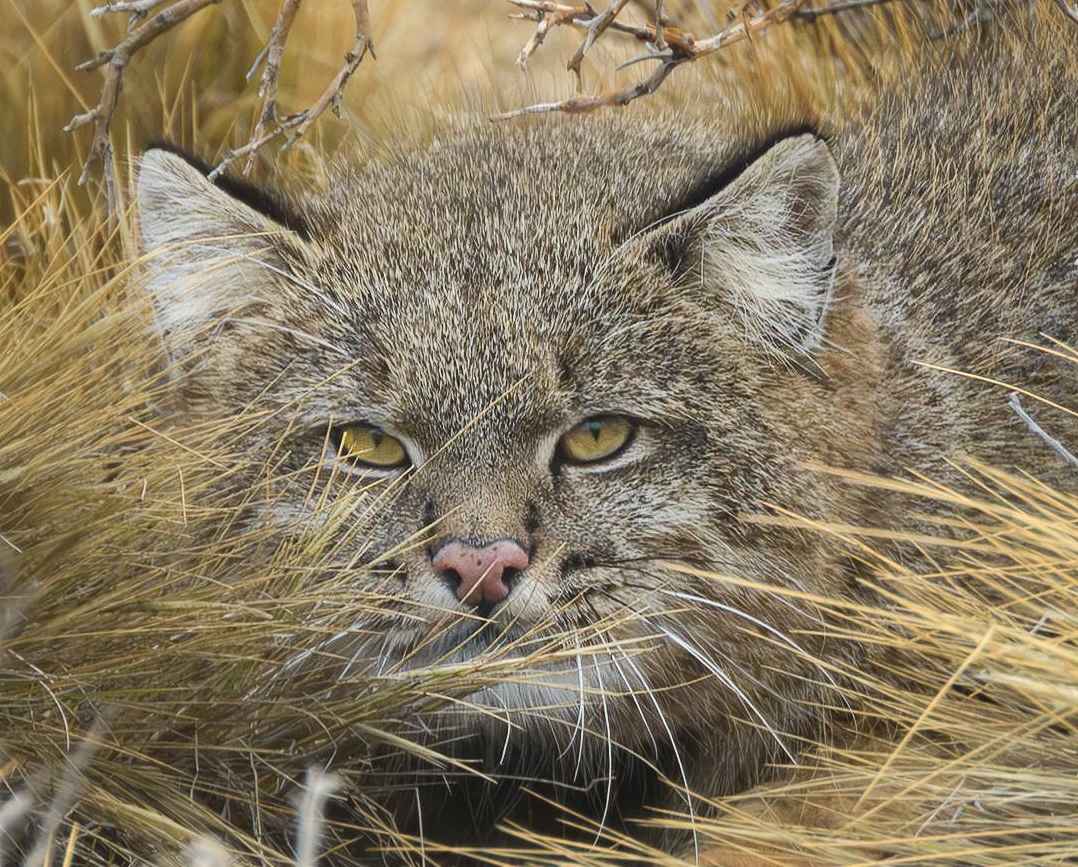
Among the grasslands, scrublands, and wetlands of Patagonia lives one of South America’s least-known felines. Elusive and difficult to spot, the Pampas cat (Leopardus colocolo) silently roams the steppe in search of prey, playing a vital role in the balance of the ecosystems it inhabits.
A Look at the Pampas Cat
About the size of a small house cat, the Pampas cat is one of the ten wild felines found in Argentina and the one of the three that inhabit the Patagonian steppe, along with pumas and Geoffroy's cats.
Its appearance is unmistakable. With a long, dense coat, it is well adapted to Patagonia’s low temperatures and has colors ranging from gray to brown. Its legs feature well-defined dark bands, and its short tail has faint rings. When it bristles, the longer hairs on its back form a crest that distinguishes it from other felines in the region.
Although usually active at dusk and night, it can also be seen in broad daylight. It is a solitary animal that rarely climbs trees and spends most of its time moving along the ground.
A Small but Critical Predator on the Steppe
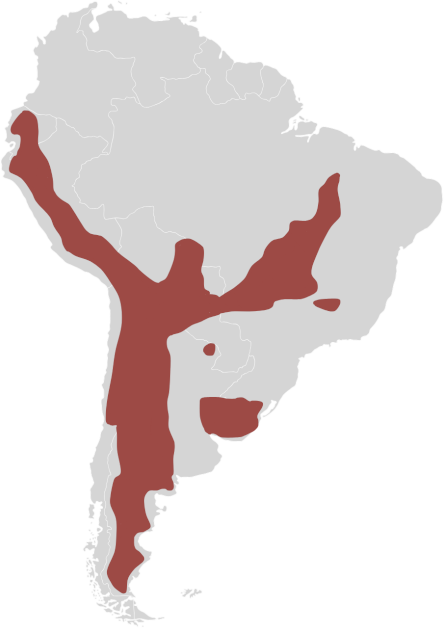
The Pampas cat has a wide distribution across South America, ranging from Ecuador and Peru to the southern tip of Patagonia. In Argentina, it occupies a large part of the country, from the northwestern Andes to the steppe and open habitats of the country’s central and southern regions.
In Patagonia, it primarily inhabits scrublands, grasslands, and wetlands, where it finds shelter and food. As a strict carnivore, it feeds on small mammals and ground-dwelling birds. Rodents make up a significant part of its diet, although it may consume other prey depending on the region.
Thanks to its role as a predator, the Pampas cat helps regulate small animal populations and contributes to the ecological balance of its habitat.
A Little-Known Species
Despite its wide distribution, the Pampas cat remains a poorly studied species. Its elusive behavior means that significant gaps in information still exist regarding population size and trends.

It is currently classified as Near Threatened due to habitat loss and degradation caused by agricultural and livestock activities. Historically, it was also the target of intense poaching for the fur trade. Between the 1970s and 1980s, thousands of hides were exported from Argentina, although this activity has declined significantly over time following the ban on international pelt exports, stricter wildlife trade regulations, and a major shift in global consumer attitudes toward the fur industry.
Today, conserving its natural habitats and better understanding its ecology are essential to ensuring the future of this species.
Pampas Cat in Patagonia Park
The Pampas cat is one of the native species that form the Patagonian steppe’s extraordinary web of life. Its presence is an indicator of healthy ecosystems capable of sustaining populations of small mammals, birds, and healthy vegetation.
At Patagonia Park, we work alongside Rewilding Argentina to restore and protect these ecosystems, promoting the recovery of native species and the conservation of the ecological processes that maintain nature’s balance. Gaining a better understanding of little-known species such as the Pampas cat is an essential part of that effort, allowing us to build a more complete picture of Patagonian biodiversity.