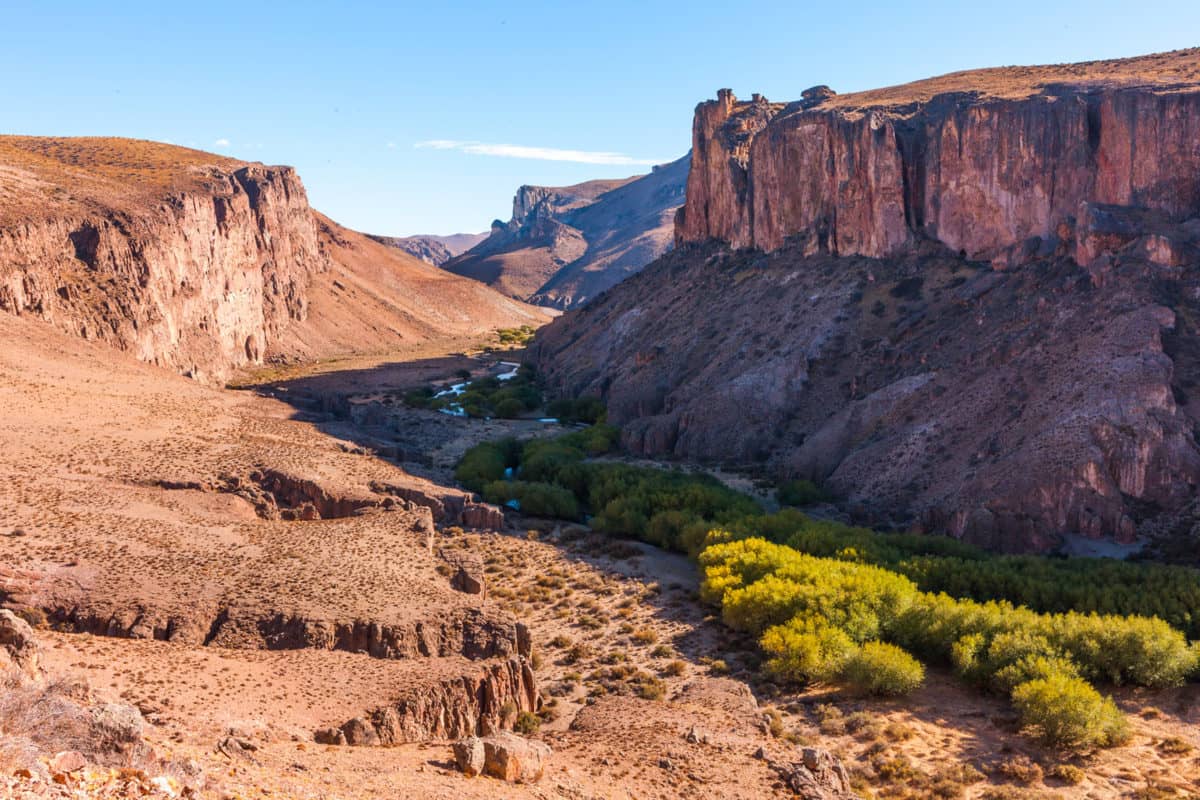
From Emergency to Action: Building Fire Resilience in the Bolivian Pantanal
In the heart of the Bolivian Pantanal, the San Matías Integrated Management Natural Area (ANMI) protects one of the country’s most valuable landscapes. Unique to Bolivia’s national system, the ANMI category of protected area seeks to combine biodiversity conservation with the sustainable development of local communities.
The forests, savannas, and wetlands of San Matías are home to exceptional biodiversity and sustain the natural resources on which many local communities depend. As Bolivia’s second-largest national protected area, the San Matías ANMI covers more than 2.9 million hectares – an area bigger than entire countries like Albania, Haiti, and Qatar. On the border with Brazil, this area is also a key part of the Greater Pantanal and the Greater Chaco-Pantanal Landscape.
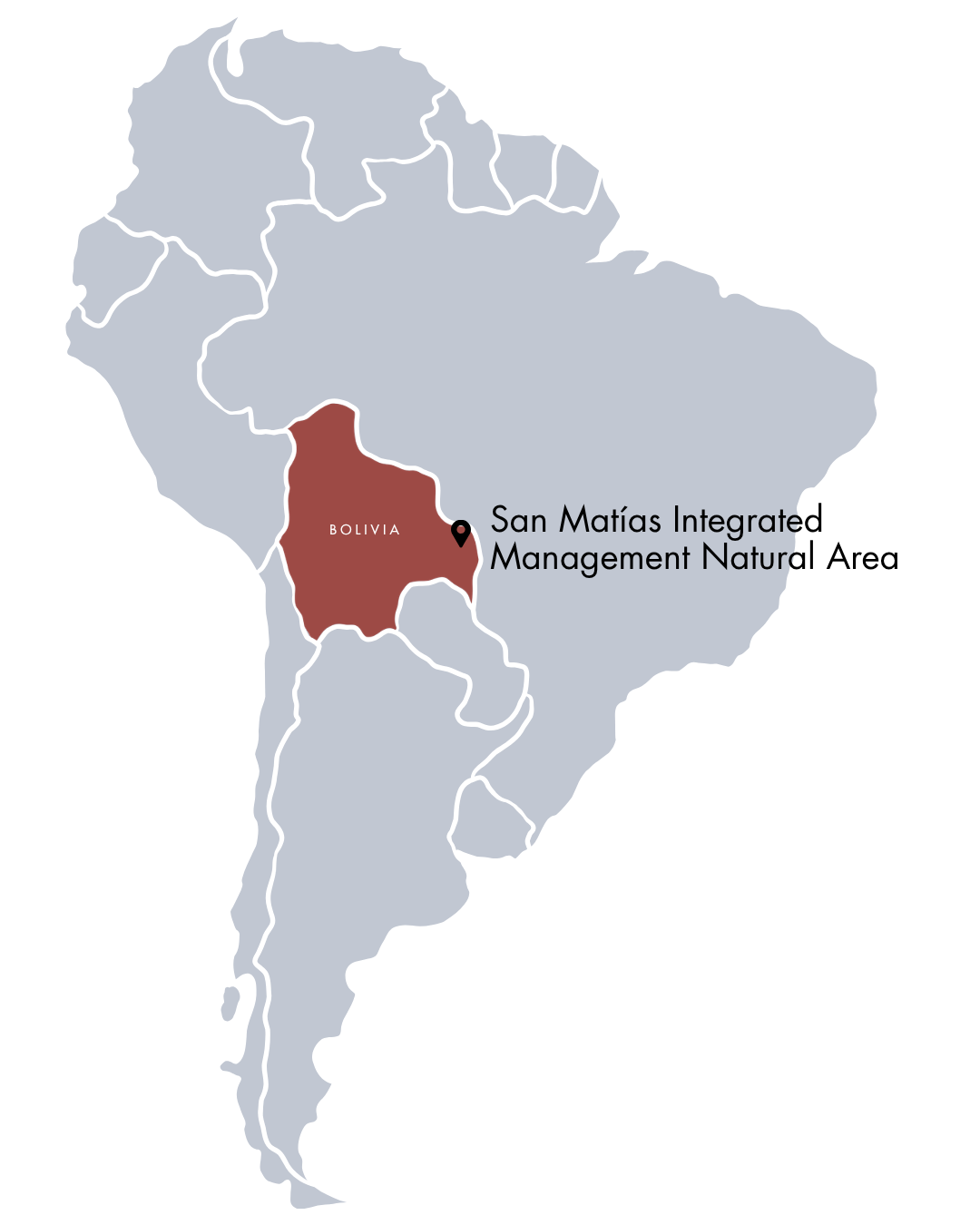
Located in the far southeastern corner of Bolivia, the San Matías Integrated Management Natural Area covers more than 2.9 million hectares
This vastness, however, comes with a cost: it is increasingly difficult to protect, especially with the rising threat of wildfires. In 2024, nearly 920,000 hectares, or 38%, of the San Matías ANMI were affected by fire in what was considered one of the worst environmental disasters in the country’s recent history. That year, more than 12.6 million hectares (11.5% of the nation’s total area) were burned.
The scale of the 2024 fires underscored the need for a coordinated, long-term response, so Freyja joined forces with NATIVA and Pew Charitable Trusts with the goal of developing and implementing a comprehensive fire management strategy in San Matías. The goal was to strengthen immediate response capacity, promote prevention, and improve coordination among communities, local authorities, and the National Service for Protected Areas (SERNAP).

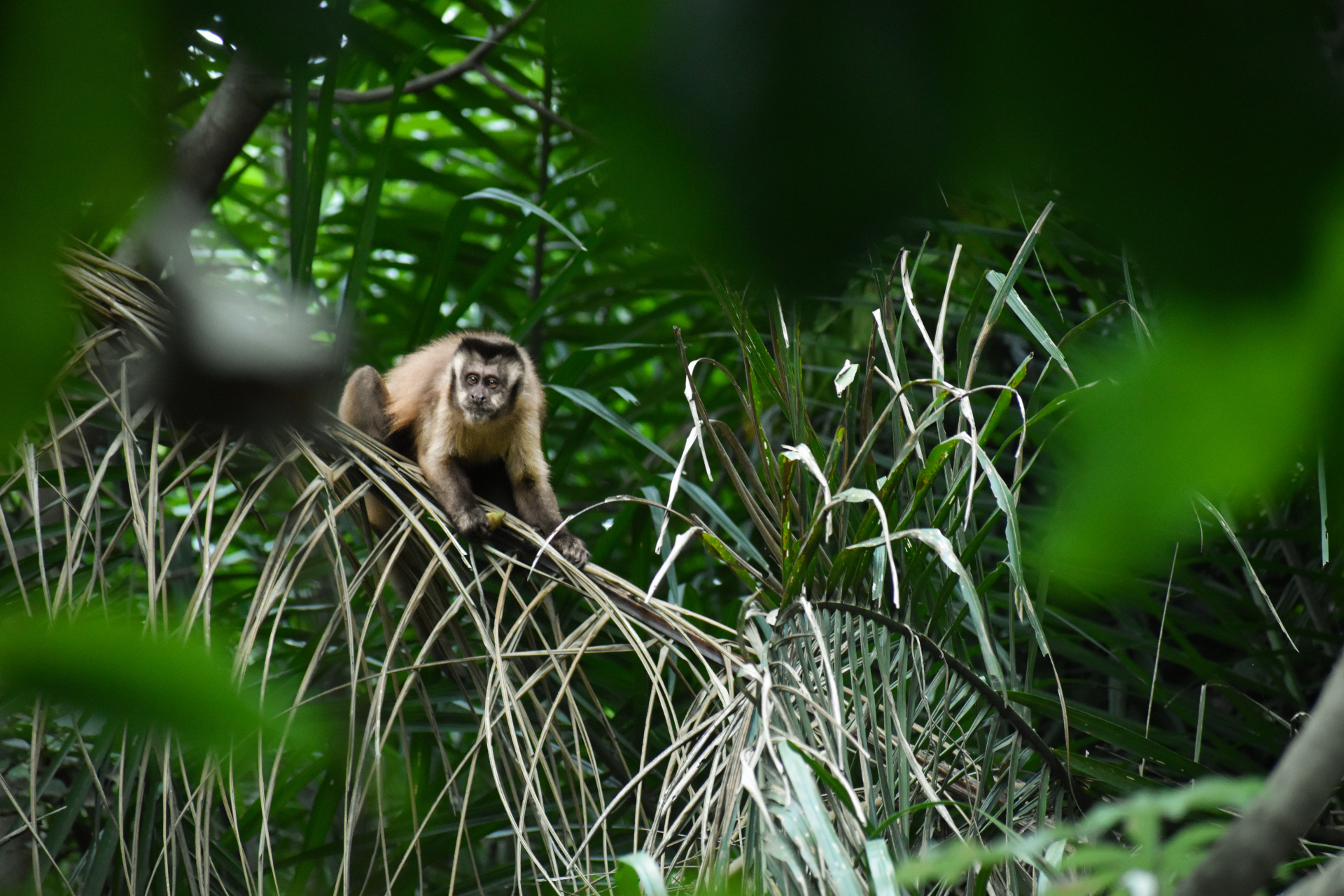
The Bolivian Pantanal is home to forests, savannas, wetlands, and extraordinary biodiversity, making it a critical area for conservation in the country
As a Bolivian organization dedicated to promoting solutions for conservation and sustainable development, NATIVA led the implementation of improved fire management in the region. Among other actions, it established two Strategic Emergency Response Centers at key locations within the territory: Santa Rosa de Bocaina and Natividad de Bahía. These facilities serve as operational bases for fire response, providing secure storage for personal protective equipment, tools, and fuel, as well as serving as coordination, planning, and water supply hubs for fire brigades during emergencies.
In addition, NATIVA formed and trained two community forest fire brigades and provided 30 complete sets of personal protective equipment, firefighting tools, and water tanks. They also facilitated coordination among the various stakeholders responsible for managing the protected area.
Beyond infrastructure and training, NATIVA also helped strengthen collaboration between indigenous communities, municipal authorities, and local organizations. NATIVA facilitated direct dialogue with the Chiquitana Indigenous Council of San Matías and organized joint training sessions where community members, municipal technicians, park rangers, and ranchers defined a shared approach to their work. This collaborative effort made it possible to agree on the management of supplies, coordinate preventive patrols with SERNAP, and strengthen the municipality’s capacity to respond to emergencies, laying the groundwork for more robust and collective protection of the territory.
The results of these actions began to show on the ground: according to monitoring conducted by NATIVA , the area affected by fires in 2025 was significantly reduced as compared to 2024, making it one of the seasons with the lowest impact in the last fifteen years. While multiple factors influence fire behavior, having improved local prevention and response capabilities allowed for faster and more efficient action.
Fewer hectares affected (second-lowest annual total in 15 years)
Additional high-risk areas patrolled
New strategic first response centers
As we look ahead, our experience in San Matías demonstrates that conservation today must respond decisively to immediate threats, while investing in long-term systems change. Protecting large-scale landscapes requires this dual approach – rapid, coordinated action when emergencies strike, paired with the long-term work of building more resilient ecosystems, strengthening local institutions, and working alongside communities.
Stay in the loop
Sign up for our newsletter